
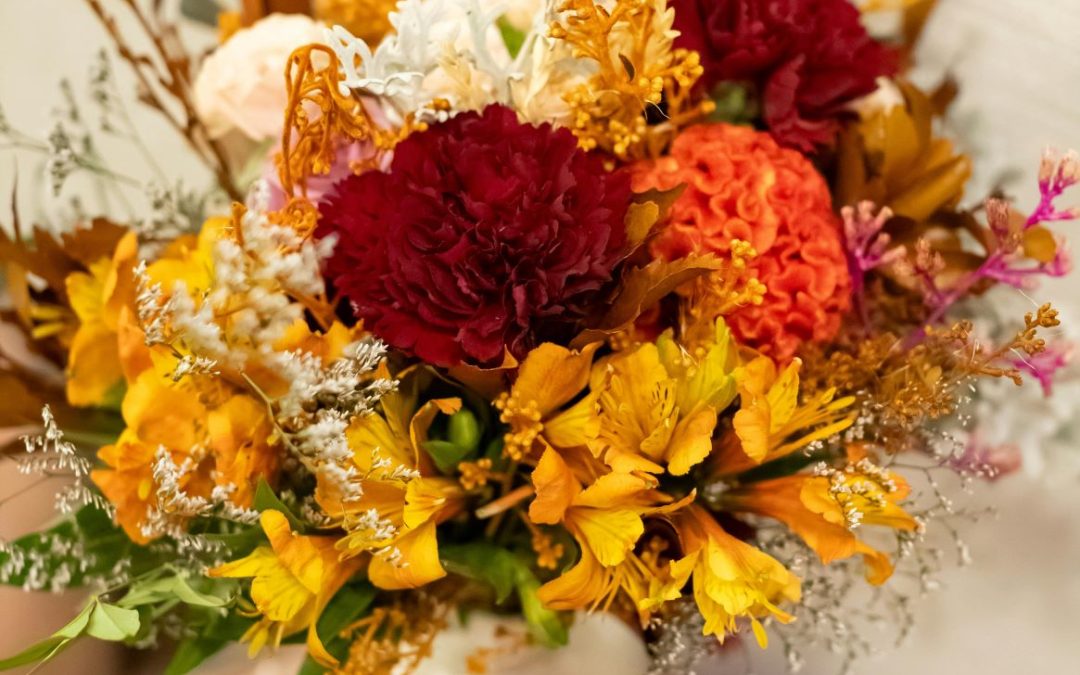
Fresh flowers brighten any space, but their beauty fades quickly without proper care. Understanding how to extend their vase life saves money and keeps your arrangements looking fresh for days or even weeks. The key factors that determine how long flowers last include water quality, stem preparation, placement, and daily maintenance.
Most cut flowers will last 7-12 days with proper care, though some varieties can survive up to three weeks. The difference between flowers that wilt in three days versus those that thrive for two weeks comes down to a few simple techniques. Temperature control, clean water, and proper feeding make the biggest impact on longevity.
Professional florists use specific methods to keep flowers fresh from the moment they’re cut until they reach your home. These same techniques work just as well for bouquets you purchase or receive as gifts. At Rosita’s Flowers in San Diego, we prepare every arrangement with these preservation methods in mind, but maintaining them at home requires consistent attention to a few basic practices.
Start with a Clean Vase
Bacteria is the primary enemy of fresh flowers. Even a small amount of bacteria in your vase will clog the stems and prevent water absorption, causing premature wilting.
Wash your vase with hot, soapy water before adding flowers. If you’re reusing a vase that previously held flowers, scrub it thoroughly and rinse multiple times. Any residue from previous arrangements creates a breeding ground for bacteria that will shorten the life of your new flowers.
Glass vases show dirt and buildup more clearly than ceramic or metal options, making them easier to keep clean. If your vase has a narrow neck or hard-to-reach areas, use a bottle brush or add rice with soapy water, shake vigorously, and rinse well.
Disinfecting Your Vase
For vases that have held flowers multiple times, consider using a diluted bleach solution (one tablespoon per quart of water) to disinfect between uses. Let it sit for a few minutes, then rinse thoroughly. This extra step kills lingering bacteria that soap alone might miss.
Cut Stems at an Angle
The way you cut flower stems directly affects their ability to draw water. A straight cut sits flush against the bottom of the vase, reducing the surface area available for water intake. An angled cut creates more surface area and prevents the stem from resting flat.
Use sharp scissors or pruning shears—never dull blades that crush the stem. Cut at a 45-degree angle about one inch from the bottom. Make this cut while holding the stem under running water or submerge it in a bowl of water. This prevents air bubbles from entering the stem, which would block water flow.
Recut stems every few days to maintain fresh surface area for water absorption. Woody stems from flowers like roses benefit from additional vertical cuts up the stem, creating even more area for water intake.
Remove Leaves Below the Waterline
Any foliage sitting in water will decay and create bacteria. Strip all leaves that would be submerged when you place the stems in the vase.
This step takes a few extra minutes but significantly extends flower life. Rotting leaves cloud the water quickly and produce bacteria that travels up the stems. Even small leaves you might overlook will break down and contaminate the water.
Keeping Upper Foliage
Leaves above the waterline should stay on the stems. They contribute to the arrangement’s appearance and help the flower continue its natural processes. Just be selective about which leaves to remove based on your vase’s water level.
Use Flower Food Properly
Those small packets that come with bouquets contain three ingredients: sugar for energy, acid to lower pH, and bleach to kill bacteria. All three work together to extend flower life.
Mix the entire packet with the amount of water specified on the instructions. Don’t guess at the ratio—too little food won’t help, and too much can damage the flowers. If you don’t have commercial flower food, you can make a substitute with one quart of water, two tablespoons of lemon juice, one tablespoon of sugar, and half a teaspoon of bleach.
Change the water and add fresh flower food every two to three days. Old food loses effectiveness, and the water becomes contaminated despite the antibacterial additives.
Control the Temperature and Location
Temperature matters more than most people realize:
- Keep flowers in a cool spot (65-72°F is ideal)
- Avoid direct sunlight, which speeds up the blooming process
- Keep arrangements away from heating vents, radiators, and appliances that generate heat
- Never place flowers near ripening fruit, which releases ethylene gas that causes flowers to age faster
Location considerations include:
- Choose spots with indirect light rather than dark corners or sunny windowsills
- Avoid high-traffic areas where flowers might get bumped
- Keep arrangements away from ceiling fans and air conditioning vents that create drafts
- Consider the room’s overall temperature throughout the day
Cooler temperatures slow the aging process. Some people even refrigerate their flowers overnight (keeping them away from fruit), then display them during the day. This technique can double the life of your arrangement.
Change the Water Regularly
Fresh, clean water is non-negotiable for long-lasting flowers. Change the water completely every two to three days, or sooner if it becomes cloudy.
When changing water, rinse the vase thoroughly and wipe away any slime on the interior. Check the stems for any slimy coating and rinse them as well. This slime is bacteria buildup that prevents water absorption.
Fill the vase with room temperature water—not cold, which can shock the flowers, and not warm, which encourages bacterial growth. Add fresh flower food with each water change.
Remove Wilting Flowers Promptly
As individual flowers in an arrangement begin to fade, remove them immediately. Dying flowers release ethylene gas and bacteria that will cause other flowers to deteriorate faster.
Don’t wait until a flower is completely dead to remove it. Once petals start browning or dropping, or stems become soft and mushy, take that stem out of the arrangement. You can often rearrange the remaining flowers to fill the gaps.
Check your arrangement daily for any signs of decline. Sometimes removing just a few stems can extend the life of the entire bouquet by another week.
Saving Individual Stems
If you have a mixed arrangement and some flower types are lasting longer than others, separate them into different vases. Roses might outlast lilies, for example, so giving them their own clean vase with fresh water can maximize their display time.
Special Care for Specific Flowers
Different flowers have different needs. Tulips continue growing in the vase and will bend toward light, so rotate the vase regularly. Hydrangeas are particularly thirsty and may need water added daily without a full change.
Roses benefit from misting their petals with water. Sunflowers need less water than most flowers—fill the vase only 3-4 inches. Lilies develop pollen on their stamens that can stain surfaces and clothing; remove the stamens as buds open.
For flowers with hollow stems like amaryllis, turn them upside down and fill the stem with water, then plug the end with a cotton ball before placing them in the vase. This technique keeps them hydrated from the inside.
Ready to enjoy fresh flowers that last? Visit Rosita’s Flowers in San Diego for expertly arranged bouquets prepared with these preservation techniques already applied. We select the freshest blooms and provide care instructions with every arrangement.